




How do heat pumps work?
A heat pump uses electricity to efficiently transfer heat, providing both heating and cooling for a building. It moves heat from one location to another, depending on the desired temperature.
During winter, the heat pump extracts heat from the outside air and transfers it indoors to warm the space. In summer, it reverses the process, removing heat from inside the building and releasing it outside to cool the interior.
Learn about the various types of heat pumps, their operation, and how they contribute to combating climate change.
How a Heat Pump Works
A heat pump operates using the same basic technology as an air conditioner, which cools your home by circulating a refrigerant. The key difference is that a heat pump includes a reversing valve, enabling it to switch between cooling and heating modes.
When in heating mode, the heat pump essentially runs the air conditioning process in reverse—rather than removing heat from your home, it extracts heat from the outside air and transfers it indoors to warm your space.
How Heat Pumps Work: Step-by-Step
Heat is drawn either from the outside air or from the warmth stored in the ground. This heat is transferred to the exterior part of the heat pump, where it passes over the heat exchange surface.
The captured heat is warm enough to evaporate the refrigerant liquid inside the heat pump, turning it into a gas.
This refrigerant gas is then compressed by a compressor, which increases its pressure and raises its temperature.
The heated gas flows over the internal heat exchange surface, releasing heat. This warmth is then circulated throughout the home or transferred to a central heating or hot water system.
As the heat is delivered indoors, the refrigerant cools down and condenses back into a liquid.
This cycle of heating and refrigerant circulation repeats continuously until the thermostat’s desired temperature is reached.
If heat pumps obtain heat from outside, how do they provide warmth on cold days?
Even on very cold days, there is still some heat energy present in the outside air or ground. Heat pumps are designed to efficiently extract this residual heat and use it to warm your home or business.
To maximize the performance of a heat pump, it’s important that the building is well-insulated and energy-efficient, helping to retain the heat generated indoors.
What different types of heat pumps are there?
There are several types of heat pumps, with the most common being air-source and ground-source models. Additionally, heat pumps can be combined with fossil fuel gas furnaces in what are known as hybrid heat pump systems.
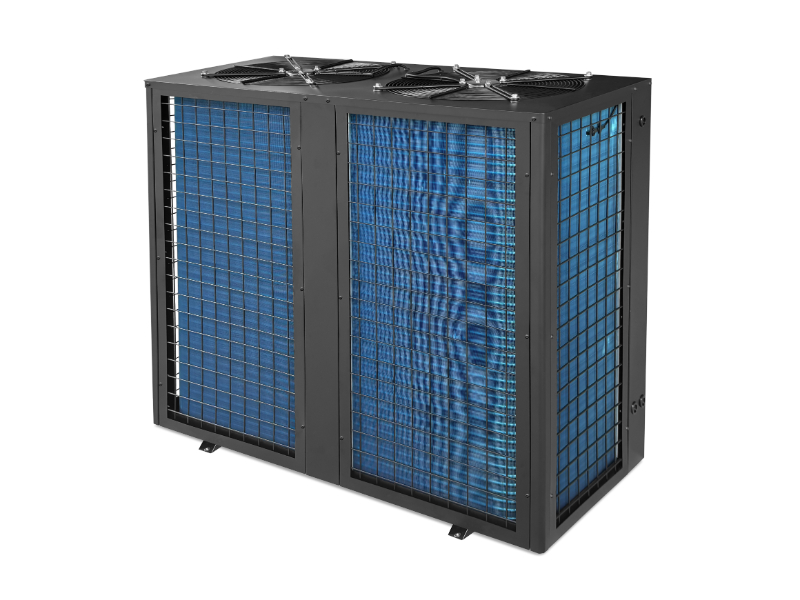
How does an air-source heat pump work?
An air-source heat pump extracts heat from the outside air and raises it to a higher temperature for use indoors. There are two main varieties of air-source heat pumps: air-to-water and air-to-air.
Air-to-water heat pumps draw heat from the outside air and supply it to a wet central heating system, much like a traditional gas boiler. Because the heat output is generally cooler than that of conventional furnaces, homes using this system may require larger radiators or underfloor heating to distribute warmth effectively. These pumps are often best suited for new-build or energy-efficient properties.
Air-to-air heat pumps extract heat from outside air and distribute it indoors via fans. This system is effective for space heating but does not provide hot water.
How does a ground-source heat pump work?
A ground-source heat pump system captures natural heat stored underground by circulating a liquid through a series of buried pipes called the ground loop. The heat pump then raises this heat to a usable temperature, which is used for heating your home or providing hot water.
Functioning like a furnace or boiler in a central heating system, the ground-source heat pump uses ambient heat from the earth instead of burning fuel to generate warmth.
The system consists of two main parts: the ground loop—a network of water pipes buried underground (which must be larger for bigger homes or higher heating demands)—and the heat pump unit located above ground.
A mixture of water and antifreeze circulates through the ground loop, absorbing the earth’s natural heat. This warmed liquid is then compressed and passed through a heat exchanger, which extracts the heat and transfers it to the heat pump. From there, the heat is distributed to your home’s heating system.
This heat can be delivered through radiators, underfloor heating, or used to heat your hot water supply.
How does a hybrid heat pump work?
A hybrid heat pump system, also known as a dual energy system, combines a heat pump (either air-source or ground-source) with a traditional gas furnace or boiler—and potentially a hydrogen boiler in the future.
This system continuously monitors the outdoor temperature and automatically switches between the heat pump and the furnace or boiler, selecting the most energy-efficient option to keep your home warm and your water hot.